
Statement on International Day of Commemoration and Dignity of the Victims of the Crime of Genocide and of the Prevention of this Crime delivered by H.E. Harald Braun, Vice-President of […]

Statement on International Day of Commemoration and Dignity of the Victims of the Crime of Genocide and of the Prevention of this Crime delivered by H.E. Harald Braun, Vice-President of […]
In September 2015, the United Nations General Assembly established 9 December as the International Day of Commemoration and Dignity of the Victims of the Crime of Genocide and of the Prevention of this Crime. The 9th of December is the anniversary of the adoption of the 1948 (the “Genocide Convention�).
The purpose of the day is to raise awareness of the Genocide Convention and its role in combating and preventing the crime of genocide, as defined in the Convention, and to commemorate and honour its victims.
In adopting the resolution, without a vote, the 193-member Assembly reiterated the responsibility of each individual State to protect its populations from genocide, which entails the prevention of such a crime, including incitement to it.

Opening Statement by H.E. Mr Peter Thomson, President of the 71st Session of the General Assembly at High-level panel to commemorate the tenth anniversary of the adoption of the Convention on the […]

As delivered Statement by H.E. Mr. Peter Thomson, President of the 71st Session of the General Assembly, at the Event entitled “Moving forward together: Leaving no one behindâ€� (on the occasion […]

As delivered Remarks by H.E. Mr. Peter Thomson, President of the 71st Session of the General Assembly, at Special Meeting in Observance of the International Day of Solidarity with Palestinian People 29 November […]

Opening address by H.E. Ms. Dessima Williams, Special Adviser on  behalf of H.E. Mr. Peter Thomson, President of the 71st Session of the General Assembly, at Reception to commemorate the World […]
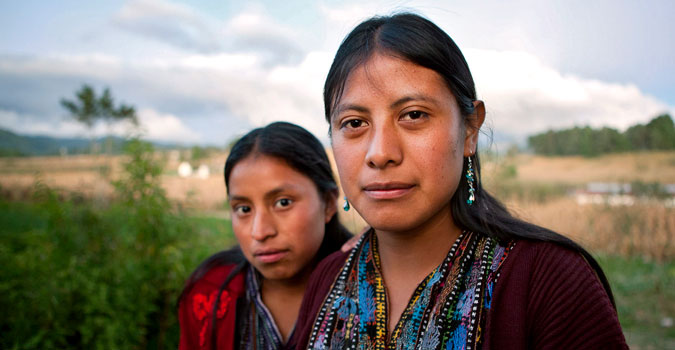
Rural women, the majority of whom depend on natural resources and agriculture for their livelihoods, make up over a quarter of the total world population.
As 76% of the extreme poor live in rural areas, ensuring rural women’s access to productive agricultural resources contributes to decreasing world hunger and poverty, and make rural women critical for the success of the new Sustainable Development agenda for 2030.

